
Data Loggers
(3 companies)Devices that store data on a processing line, tracking process data, environmental factors such as humidity or other data on processing operation. Looking for tips and best practices on inspection and testing equipment? Explore related articles now.
-
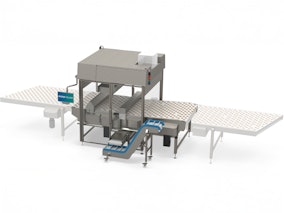

Houdijk North America, Inc.
The Vision Selector from Royal Houdijk is a high-speed, inline system designed for individual product inspection and rejection, ensuring only products that meet strict quality standards proceed downstream. Using a proprietary 3D color vision system, it evaluates each item for shape, size, height, position, and color, with defective products automatically removed through precise, unit-level rejection. The system’s inspection and rejection capabilities are guided by proprietary design and execution, offering unmatched accuracy and reliability. It can be tailored with optional inspection tools for surface defects, color anomalies, or positioning issues. The Vision Selector not only safeguards downstream machinery but also provides valuable defect data that can be integrated with MES systems for real-time insights, supporting continuous improvement and enhanced line efficiency in high-throughput environments.
You are currently not logged in -
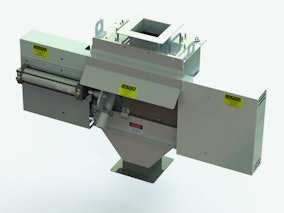
Sentry Equipment Corp.
Sentry offers sampling equipment for processing lines, including systems that sample for pressure, temperature and/or flow rate, automatic sampling systems, manual sampling, corrosion monitoring and more. From industrial, food grade, hygienic to 3-A standards, automatic samplers remove human bias to collect representative samples for liquid, slurry, powder or solid sampling applications.
You are currently not logged in -
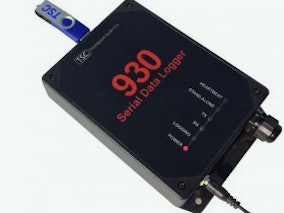
Thompson Scale Company
Thompson Scale’s 930 Data Logger connects to any type of scale device sending out individual single data transmissions for each weight value, at rates up to 400 weights per minute. Connects to an in-motion or bench-top checkweigh scale or to filling system controls with a RS-232 or RS-422 output port. The weight data logger automatically logs each weight value to the included 2GB thumb drive.
You are currently not logged in
Report an Issue
Incorrect/inaccurate categorization? Report inaccuracies or problems »
Related Process Inspection Equipment searches
More on Data Loggers
Explore the functionality and benefits of data loggers, devices crucial for tracking various metrics in processing operations, including environmental factors and process data.
Data loggers are essential devices used in monitoring and recording data across processing lines. These devices are adept at capturing a wide range of information, from process data to environmental factors like humidity, which are critical in maintaining the quality and efficiency of processing operations. By storing this data, data loggers provide a reliable means to retrospectively analyze the performance and conditions during the manufacturing process.
The operation of data loggers involves sensors that collect data from their environment or from the machinery they are connected to. This data is then stored in the logger's internal memory or transmitted to an external database for real-time monitoring or future analysis. The sophistication of these devices can vary, with some offering features like wireless communication, long battery life, and robust data encryption to ensure the security and integrity of the data collected.
Data loggers are utilized in a variety of settings. In the food and beverage industry, they play a crucial role in ensuring products are produced and stored in conditions that meet safety standards. For pharmaceuticals, data loggers help in maintaining the strict environmental conditions required for drug production and storage. Additionally, in sectors like electronics manufacturing, these devices monitor processes that require precise environmental conditions to prevent product defects.
The benefits of using data loggers are manifold. Firstly, they enhance operational transparency by providing a detailed record of production conditions, which helps in pinpointing inefficiencies and potential areas for process improvement. Furthermore, the data collected can aid in compliance with industry regulations, as it provides verifiable proof that the products were manufactured under the required conditions. This aspect is particularly crucial in highly regulated industries where compliance with standards is mandatory.
Moreover, data loggers contribute to quality control by enabling continuous monitoring of critical parameters. This constant vigilance helps in early detection of deviations from desired conditions, allowing for immediate corrective actions, which in turn reduces waste and improves product consistency. The historical data accumulated by these devices also supports predictive maintenance strategies, helping to prevent equipment failures and extend machinery lifespan.
For professionals seeking to enhance their processing operations, exploring the various suppliers and manufacturers of data loggers on PMMI's ProSource directory could be beneficial. This directory provides a comprehensive list of companies offering these crucial devices, facilitating the search for solutions that best fit specific operational needs.